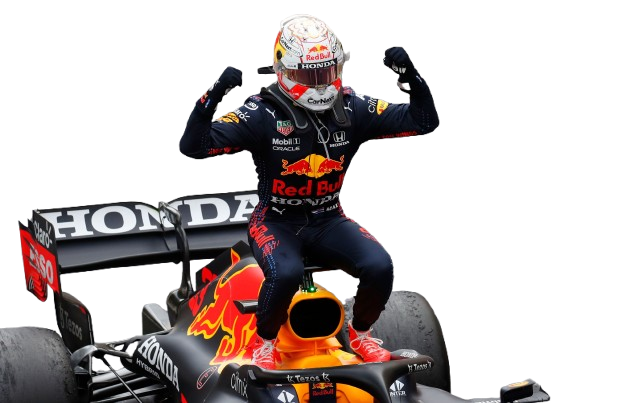
Key Moments in Formula 1 History

From its early days in the 1950s to the modern hybrid era, explore the evolution of the world's most prestigious motorsport. Formula 1 has a rich history filled with iconic moments, legendary drivers, and technological advancements.
Here are some key milestones in the sport's evolution:

  • 1950: Birth of Formula 1
  • 1960s: Evolution of technology and aerodynamics
  • 1970s: The Rise of Sponsorships
  • 1980s: Turbo era
  • 1990s: The Schumacher era begins
  • 2000s: Ferrari's dominance and the introduction of hybrid technology
  • 2010s: Mercedes' dominance and the era of hybrid power
  • 2020s: The new era

The 1950s: Birth of Formula 1

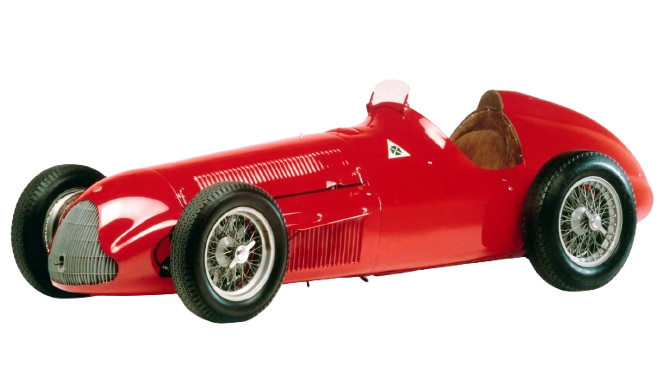
Formula 1 (F1) was officially established in 1950 as the highest level of single-seater motorsport. The first-ever World Championship race took place at Silverstone, UK, on May 13, 1950, and was won by Giuseppe Farina driving an Alfa Romeo 158 .driving an Alfa Romeo 158. Farina went on to win the first championship, but it was Juan Manuel Fangio who dominated the decade, winning five titles. Cars in this era were front-engined, with little regard for aerodynamics or driver safety. Drivers raced without seatbelts, and fatal crashes were tragically common.
model

The 1960s: Evolution of Technology and aerodynamics

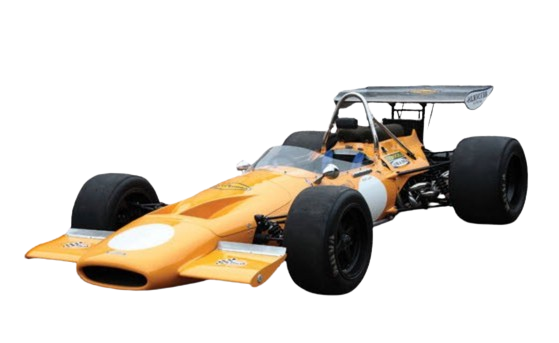
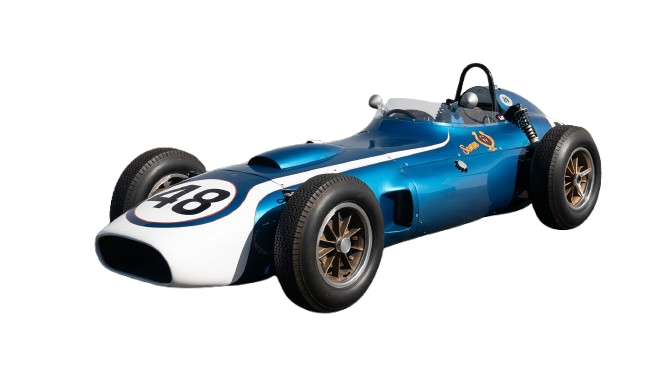
The 1960s saw major technical advancements, including the introduction of rear-engine cars, which made them faster and more agile. British teams like Lotus, McLaren, and Brabham started challenging Italian dominance. Lotus, led by Colin Chapman, introduced the monocoque chassis, making cars lighter and more rigid. This decade also saw the first real experiments with aerodynamics, as teams began adding wings to generate downforce for better grip. However, safety remained a major issue, with many drivers losing their lives due to the dangerous nature of the sport.

model2

he 1970s: The Rise of Sponsorships

The 1970s marked the commercialization of Formula 1. Sponsorship deals became a crucial part of team funding, leading to cars covered in corporate logos. Aerodynamics took a massive leap forward with the introduction of ground effect technology, pioneered by Lotus. This allowed cars to generate extreme downforce, making them much faster in corners. However, safety concerns grew, with high-speed crashes becoming even more dangerous. Deaths of drivers like Jochen Rindt, Ronnie Peterson, Niki Lauda and James Hunt became legends.

model2

The 1980s: Turbo Era

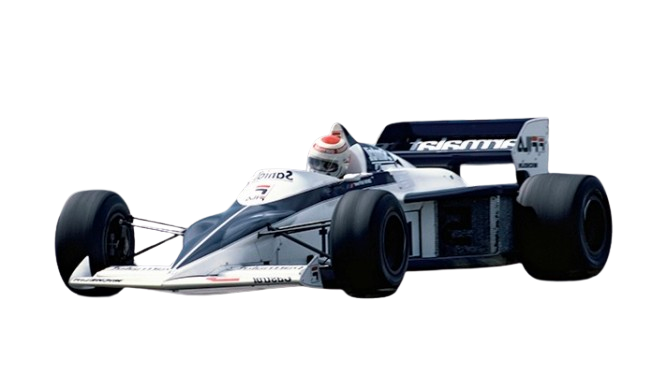
The 1980s marked the start of the turbocharged engine era, with powerful, high-speed cars reaching over 1,500 horsepower in qualifying. Teams like McLaren, Ferrari, and Williams dominated, with legendary rivalries between Ayrton Senna and Alain Prost, they became icons of the sport. Safety continued to be a problem, with multiple serious crashes. By the late '80s, the FIA introduced new regulations to limit turbo power, leading to the return of naturally aspirated engines. model3

The 1990s: The Schumacher Era Begins

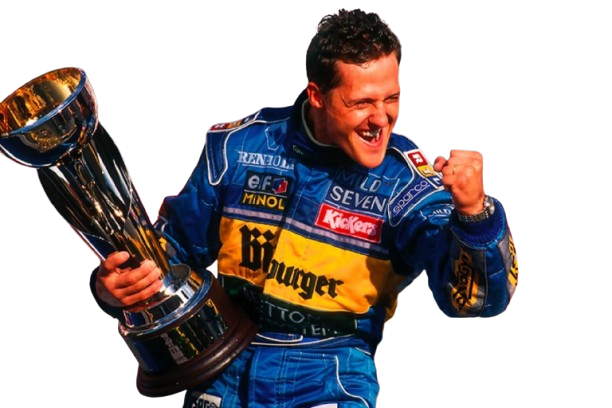
Michael Schumacher rose to prominence, winning back-to-back championships with Benetton before dominating with Ferrari in the early 2000s. The 1990s saw the rise of Michael Schumacher, who dominated the latter half of the decade. He won back-to-back championships with Benettonbefore moving to Ferrari. This era also saw major advancements in technology, with electronic aids like traction control and semi-automatic gearboxes becoming standard. The tragic death of Ayrton Senna in 1994 at Imola led to a major push for improved safety, resulting in track modifications and stricter car regulations.

model4

The 2000s: Ferrari's Dominance

The 2000s were dominated by Ferrari and Michael Schumacher, who won five consecutive championships (2000-2004). During this time, Formula 1 saw an increase in global popularity. In the latter half of the decade, hybrid technology began to emerge, with the introduction of Kinetic Energy Recovery Systems (KERS), a precursor to modern hybrid power units.

model5

The 2010s: Mercedes' Dominance

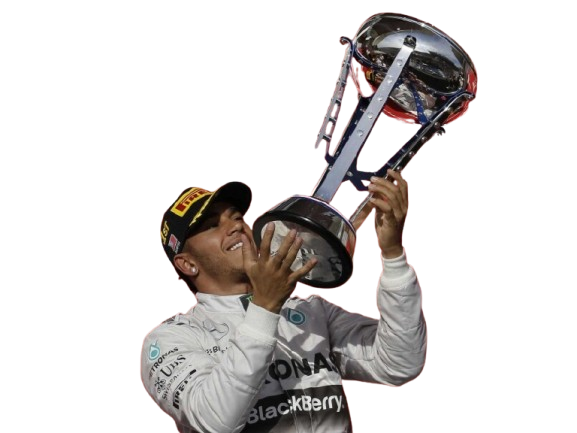
In 2014, Formula 1 entered the hybrid era, replacing V8 engines with turbo-hybrid V6 power units. Mercedes emerged as the dominant force, with Lewis Hamilton winning multiple championships. The new era focused on fuel efficiency, energy recovery, and sustainability. Aerodynamics became more refined, and safety improved significantly with the introduction of features like the Halo device to protect drivers' heads.

model6

The 2020s: The New Era

Formula 1 entered a new regulatory phase in 2022, focusing on sustainability, diversity, and technological advancements. The introduction of ground effect-based aerodynamics aimed to promote closer racing and enhance competitiveness alongside budget caps and a commitment to carbon-neutral fuels. This shift marked the beginning of a new chapter for the sport, following the thrilling 2021 season that featured a memorable battle between Max Verstappen and Lewis Hamilton. Today, F1 is a global phenomenon, blending cutting-edge technology, driver skill, and intense rivalries to create the pinnacle of motorsport.

model4